
Jun 19, 2026
Do I Need Jaw Surgery? A Melbourne Patient’s Guide
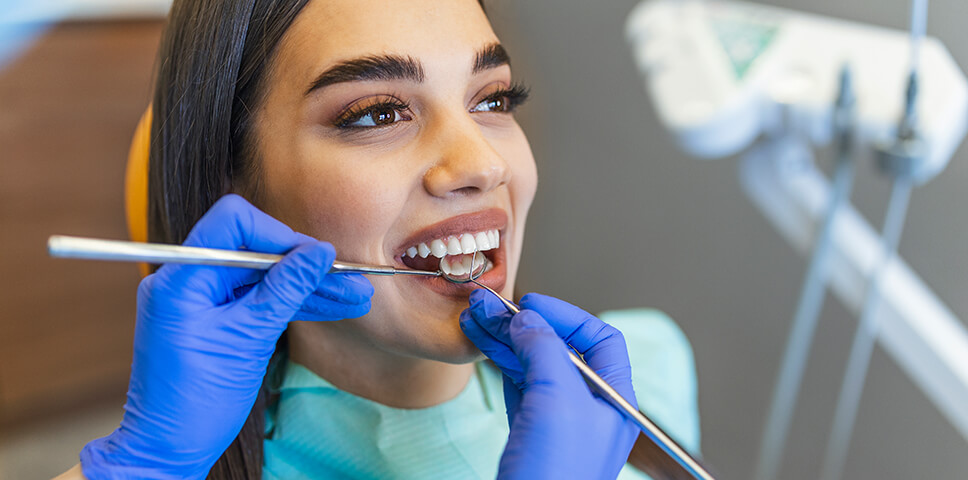
Wondering if jaw surgery is really necessary, or if braces or clear aligners could be enough? You are not alone. Many people first notice jaw concerns as a bite issue, facial imbalance, or persistent chewing difficulty and want clear, calm guidance before taking the next step.
This guide explains when orthognathic (jaw) surgery is considered, when specialist orthodontics alone can solve the problem, and what to expect if a combined approach is recommended. We also cover Melbourne-specific costs, Medicare and private health fund considerations, and how our on-site diagnostics help you make an informed choice.
At Angle House Orthodontics, we support you with balanced options, not pressure. Our role is to diagnose carefully, explain simply, and help you choose the path that fits your goals, health, and lifestyle.
What Orthognathic Surgery Is, in Simple Terms
Orthognathic surgery repositions the jaws to improve function, airway, and facial balance when bones are out of alignment.
It is performed by an oral and maxillofacial surgeon, with your orthodontist preparing the bite before surgery and fine-tuning it afterwards.
The aim is a healthier, more stable bite that teeth alone cannot achieve.
For many patients, braces or clear aligners, including Invisalign®, can correct the bite without surgery. Surgery becomes a consideration when the jaw bones themselves are the main cause of the problem.
Signs That May Indicate Jaw Surgery - And When Early Checks Help
You may benefit from a surgical discussion if you have one or more of the following:
- A significant overbite or underbite that affects chewing or speech
- An open bite where front teeth do not meet when you close
- Noticeable facial asymmetry or a chin that sits noticeably to one side
- Long-term mouth breathing, snoring or airway concerns related to jaw position
- Persistent jaw strain, or teeth that do not meet evenly despite prior orthodontics Early assessment matters.
For children, checks from about age 7 can guide growth with gentle appliances, such as expanders or Twin Block plates, and may reduce the chance of surgery later.
For teens and adults, a timely specialist opinion sets clear expectations and avoids unnecessary delays.
Our Diagnostic Process in Balwyn and Doreen
Clarity begins with precise records.
At your consultation, we:
- Take a thorough history and examine your bite and jaw movement.
- Use iTero scanning for accurate, comfortable 3D records and simulations.
- Complete on-site orthodontic X-rays at our Balwyn clinic where appropriate, reducing extra trips and helping us explain findings clearly.
These records allow us to show you why surgery may or may not be helpful, and to model orthodontic-only options where suitable.
Every plan is personalised and discussed in plain language.
If surgery is indicated, we coordinate closely with trusted Melbourne oral and maxillofacial surgeons. You will know the sequence, likely timelines, and the role of braces or Invisalign® at each stage.
Orthodontics Before and After Surgery
Pre-surgical orthodontics aligns individual teeth within each jaw so they fit together correctly after the jaws are repositioned.
This stage often takes many months, and the exact timing varies by case complexity and appliance choice.
Surgery is followed by a period of healing, then post-surgical orthodontics to refine the bite and settle the final tooth positions.
Reviews are scheduled so you know what to expect, and we stay in regular contact with your surgeon throughout.
If an orthodontic-only path is viable, we will explain braces options and Invisalign® step by step, including expected wear, elastic use, and review frequency.
Melbourne Costs, Medicare and Private Health Funds
The question we hear most is, how much is jaw surgery in Melbourne?
Fees vary widely and depend on:
- The type of jaw surgery required - single jaw or double jaw
- Hospital, anaesthetist, and surgeon fees
- The length and complexity of pre- and post-surgical orthodontics
- Imaging, records, and review appointments
Medicare may contribute to eligible surgical components when item numbers apply, although rebates can vary.
Private hospital cover and extras policies can also contribute to surgical and orthodontic parts of treatment, depending on your level of cover, waiting periods, and item numbers.
We can help you prepare questions for your insurer and provide itemised estimates after your assessment.
If you are comparing orthodontic pathways, our finance page outlines typical Melbourne ranges for braces and aligners, and our team offers interest-free payment plans to help spread the cost.
You can read more about costs and payment options on our cost and finance page, including information relevant to Invisalign® costs in Melbourne and braces pricing.
For details on combined orthodontics and surgery pathways, see our surgical orthodontics information where jaw surgery costs in Melbourne are discussed at a high level.
Is Surgery Always Necessary? Often, No
Many bite concerns can be corrected without surgery.
Options can include:
- Braces, including metal or ceramic, with elastic wear for bite correction
- Clear aligners such as Invisalign®, with planned elastic use where needed
- Early-guidance appliances for children, such as expanders or Twin Block plates
We will always present a non-surgical path when it is clinically sound, explain likely outcomes, and compare them to a combined surgical path if there is a stability or function advantage.
Risks, Benefits, Recovery and Support
Every procedure carries risks, and your surgeon will discuss these in detail.
Common considerations include temporary swelling, bruising, numbness, and time away from study or work. Longer-term numbness can occur in some cases.
Benefits typically include improved chewing function, bite stability, facial balance, and in some patients, airway improvements.
Recovery timelines vary by procedure and personal health. Your surgeon will provide case-specific guidance.
We support you with:
- Clear plan sequencing so you know each step
- Coordination with your oral and maxillofacial surgeon
- Ongoing reviews before and after surgery
- Flexible, interest-free payment plans
- Initial consultations in person or by video
- Selected free consultation events throughout the year
Appropriate Age and Timing
There is no single "right" age.
The best timing depends on growth, the nature of the jaw difference, and personal goals.
Children
Early checks from around age 7 help guide growth and may reduce the future need for surgery.
Teenagers
Surgery is usually considered toward the end of growth so results are stable. Your orthodontist and surgeon will assess growth status.
Adults
Surgery is common in adults when bones are fully developed. Orthodontic-only options are still often effective for mild to moderate concerns.
What to Expect at Your First Visit
You will meet our Specialist Orthodontist, discuss your goals, and complete iTero scans.
Where suitable, we can complete orthodontic X-rays on-site at Balwyn.
We explain findings with visuals and provide a clear plan, whether that is braces, Invisalign®, a growth-guidance appliance, or a combined surgical approach.
You leave knowing your options, the likely timeline, and next steps.
FAQ
How Much Is Jaw Surgery in Melbourne?
Costs vary based on single versus double jaw surgery, surgical team and hospital fees, and the orthodontic treatment needed around surgery. After a specialist assessment, we provide an itemised estimate to discuss with your health fund. Our finance page outlines typical orthodontic fees to help with planning.
Is Orthognathic Surgery Covered by Medicare?
Medicare may contribute to eligible surgical components when item numbers apply, however rebate amounts vary. Private health insurance can also contribute depending on your level of hospital and extras cover, waiting periods, and specific item numbers.
Is Orthognathic Surgery Worth It?
It can be highly worthwhile for patients whose bite and facial balance cannot be corrected with teeth movement alone. Benefits often include improved function and long-term stability. The decision is personal, so we present both surgical and non-surgical options and explain the trade-offs so you can choose confidently.
What Is the Appropriate Age for Orthognathic Surgery?
Typically after growth completion in late teens or adulthood. Early assessments still matter because growth-guidance treatment during childhood can reduce or sometimes remove the need for surgery later.
A Calm Path Forward
Choosing between orthodontic-only treatment and surgery can feel daunting.
With careful diagnostics, clear explanations, and a coordinated team, most patients find a path that suits their health, goals, and lifestyle.
If you would like a balanced opinion, we are here to help with on-site imaging at Balwyn, iTero scanning, coordinated surgical care and interest-free payment options.
Ready to talk through your options?
Book a consultation, or register for a free consultation event when available, and take the first step toward a healthier, more comfortable bite.